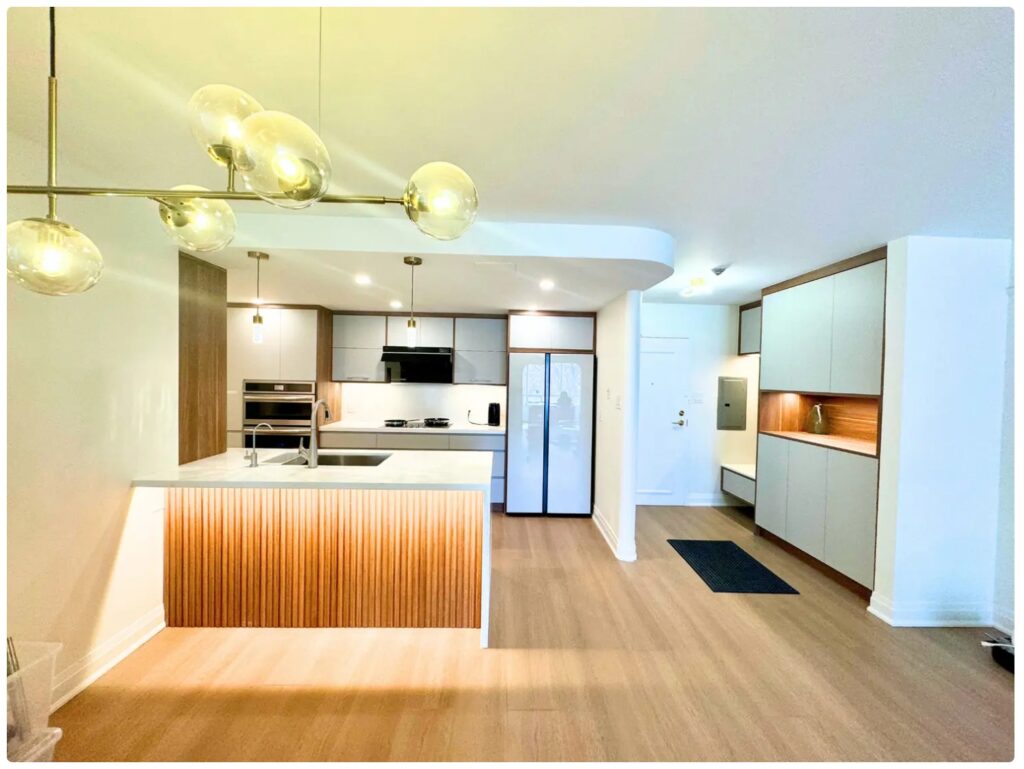
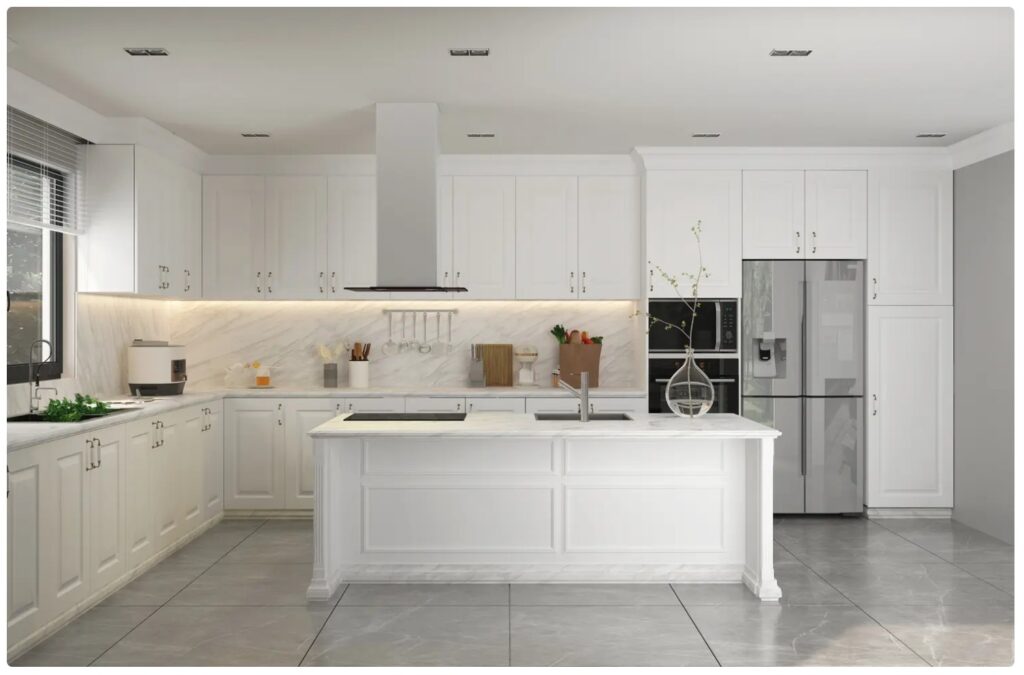
In the world of high-end interior design and construction, the difference between a standard room and a masterpiece often lies in the details that are built directly into the structure. This is the realm of custom millwork—an art form that blends traditional craftsmanship with modern engineering to create spaces that are as functional as they are beautiful. From the sweeping curves of a grand staircase to the intricate grain of a walnut-paneled library, custom millwork provides the “soul” of an interior.
At artsmillwork, we understand that millwork is more than just woodwork; it is an architectural statement. Whether you are an architect looking to bring a complex vision to life or a homeowner seeking a unique aesthetic for your residence, this guide will walk you through the essential considerations, design processes, and technical requirements of the millwork industry.
Introduction to Millwork: The Foundation of Sophistication
Custom millwork involves creating bespoke woodwork tailored specifically to fit a space’s unique style and functional needs. Unlike “case-goods” (furniture that is mass-produced and freestanding), millwork is typically built-in or custom-fabricated to integrate seamlessly with the building’s architecture. This includes custom cabinetry, architectural millwork, and unique furniture pieces designed to provide an atmosphere of luxury and sophistication.
Architectural millwork includes all visible wood elements in a finished building. This vast category covers residential and commercial doors, intricate cabinetry, decorative wall paneling, ceiling treatments, storage solutions, and grand staircases. Because these elements are highly visible, they serve as the primary touchpoints of quality for any construction or renovation project.
The design of custom millwork enhances both aesthetic appeal and practicality. In a home, it might mean a walk-in closet that maximizes every square inch of space; in a business, it might be a reception desk that communicates brand authority. Ultimately, quality millwork results in a polished finished product that guarantees durability and a long-lasting final result.
Understanding the Value of Custom Architectural Millwork
Custom millwork is designed and created specifically to meet client or project requirements for high-traffic or high-visibility spaces like retail stores, hotel lobbies, corporate offices, and fine-dining restaurants. The beauty of custom architectural millwork lies in its ability to blend high-level design with skilled woodworking, adding a layer of personality and elegance that stock products cannot achieve.
When you walk into an elegant space, you are often surrounded by custom millwork without even realizing it. It could be the custom wall paneling in a hotel corridor or the specialized display shelving in a luxury boutique. These elements create welcoming, functional, and elegant environments.
A critical factor in this process is the choice of wood. At artsmillwork, we recognize that wood selection affects both the appearance and longevity of the finished piece. Hardwoods are generally preferred for quality millwork because of their inherent strength, durability, and the unique grain patterns they offer. Whether it is the classic warmth of Oak, the dark richness of Walnut, or the bright versatility of Maple, the material sets the tone for the entire project. Each custom millwork product is tailored to fit specific building requirements, making every project a unique and personalized venture.
Key Considerations in Architectural Millwork Design
Designing architectural millwork requires a balance between aesthetic appeal and functionality. You must consider how a piece will look within the context of the entire building, but also how it will stand up to daily use.
The Cohesive Look
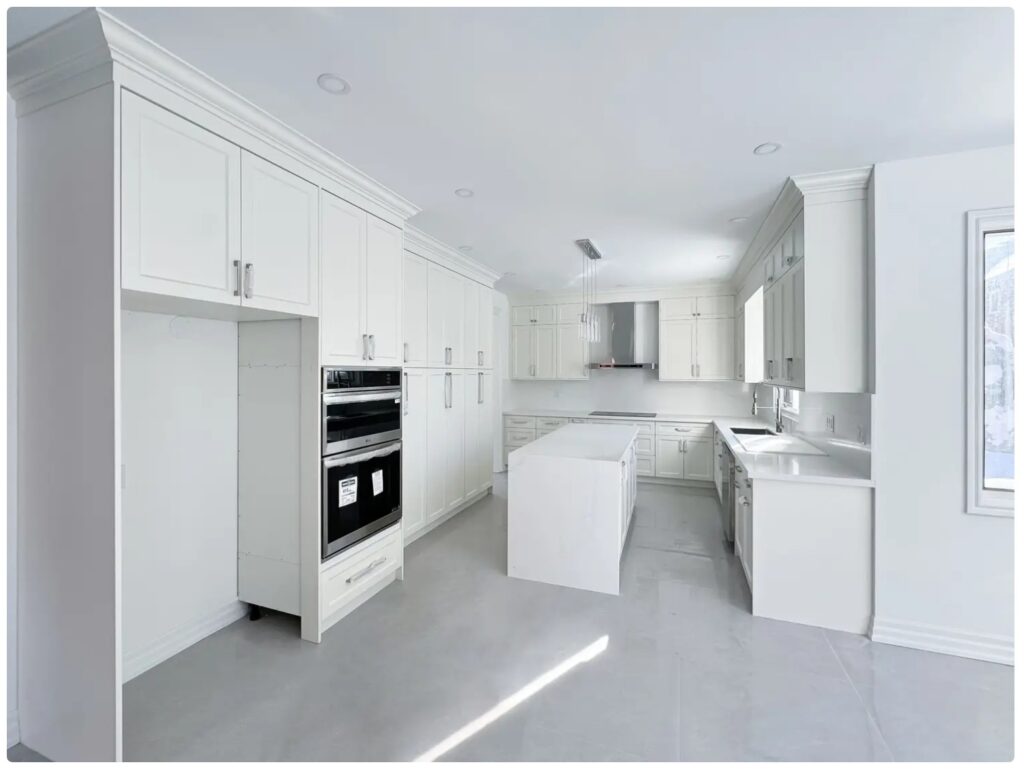
Custom millwork design principles often focus on creating a cohesive look throughout a home or commercial space. This involves matching wood finishes across different rooms or elements—ensuring that the kitchen cabinetry speaks the same “language” as the library shelves or the mudroom storage. This intentional design adds a sense of flow and improves organization and accessibility.
Craftsmanship and Material Selection
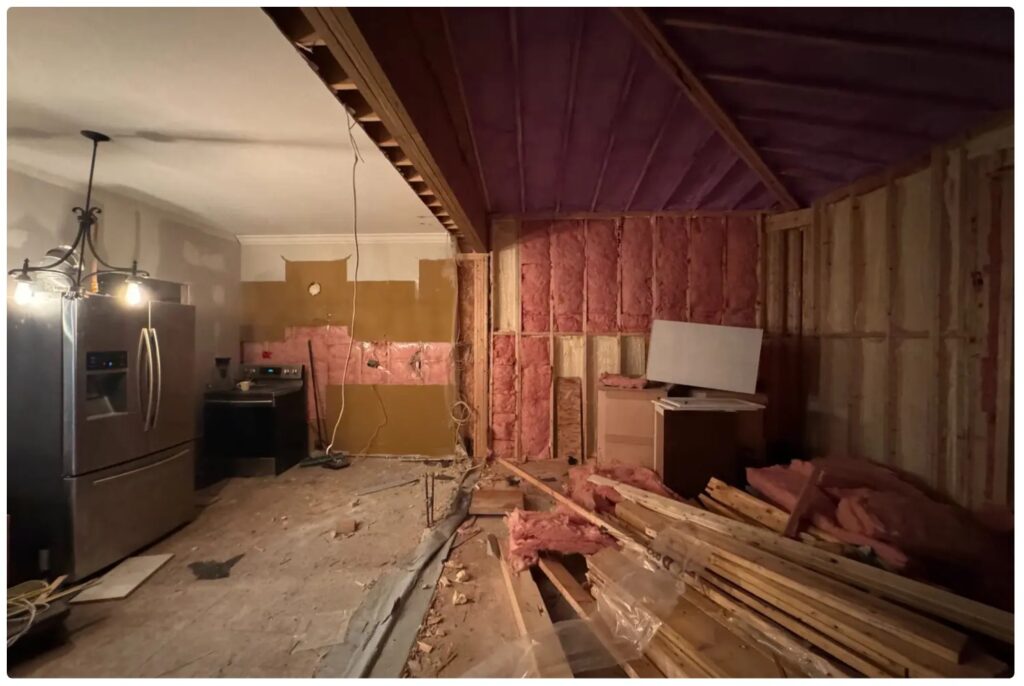
Excellent craftsmanship is non-negotiable in the world of custom millwork. It is the skilled hand of the woodworker that ensures joints are seamless, finishes are smooth, and the installation is perfectly level. Furthermore, the right material selection is crucial. Factors such as the humidity of the environment, the amount of physical contact a surface will receive, and maintenance requirements all dictate which woods and finishes should be used.
The Creative Process: Designing Millwork Projects
The journey of a millwork project begins long before a single piece of wood is cut. It starts with identifying the needs and the purpose of the design. Are you trying to maximize storage in a small apartment? Or are you looking to create a “wow” factor in a corporate lobby?
Inspiration and Advice
Gathering inspiration from architectural journals, digital portfolios, and lifestyle trends is the first step. However, translating that inspiration into a buildable design requires professional help. A skilled millwork designer advises on design options, material selection, and functionality. They ensure that the custom millwork is high-quality, durable, and perfectly tailored to the user’s needs.
Modern Features and Minimalism
Today’s design trends often lean toward a minimalist look. Custom millwork allows homeowners to select wood finishes and carved embellishments that match their personal style while utilizing modern features. For example:
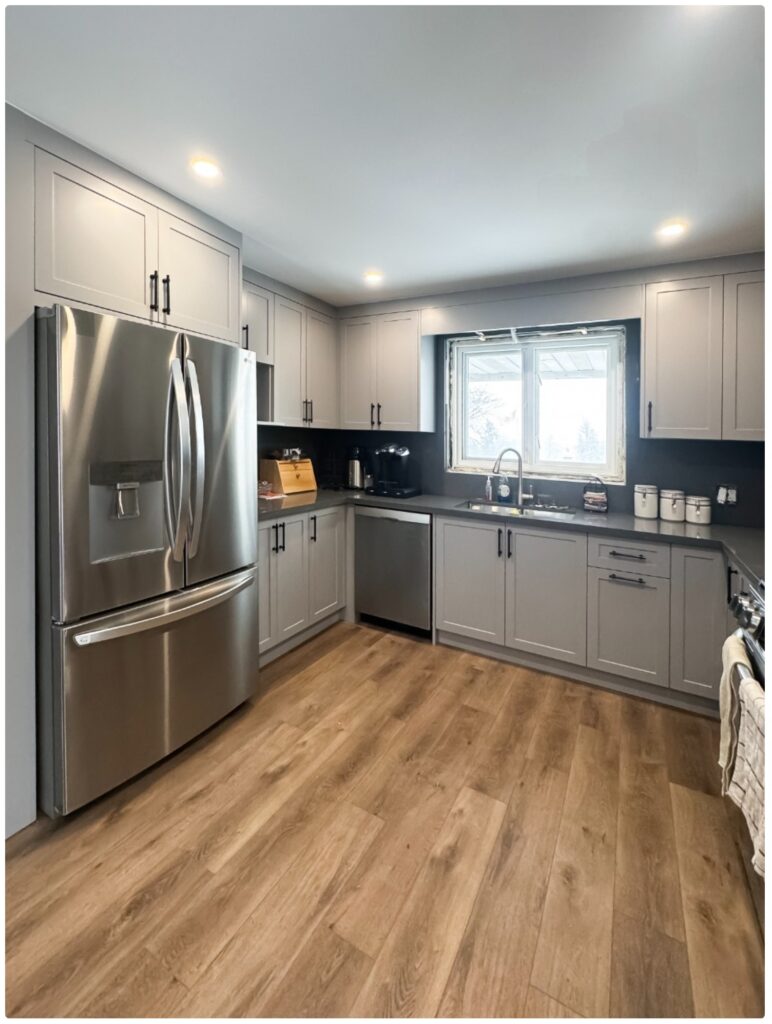
- Concealed Appliances: Using custom panels to hide refrigerators or dishwashers for a seamless kitchen look.
- Modern Hardware: Implementing push-to-open cabinets and floating shelves to complement sleek, contemporary designs.
- Lifestyle Customization: Designing personalized fireplaces, walk-in closets, and mudrooms that cater specifically to the family’s daily routine.
A detailed plan covering dimensions, materials, finishes, and budget is essential for the success of any millwork project.
Technical Precision: Creating Millwork Shop Drawings
If the design is the soul of millwork, the shop drawing is the skeleton. Millwork shop drawings are detailed technical drawings that turn abstract architectural designs into buildable, physical elements. These documents include plans, elevations, sections, details, schedules, and specific notes for finishes, hardware, and assembly.
Atartsmillwork, we view shop drawings as a critical bridge. They ensure thatwood millwork, cabinets, and paneling can be built and installed without questions, acting as the final check before fabrication begins. A high-quality shop drawing includes:
- Accurate Field Dimensions: Ensuring the piece fits the actual space, which may differ from the architectural blueprints.
- Clear Cabinet IDs: For easy tracking during fabrication and installation.
- Schedules: Comprehensive lists of materials, finishes, and hardware.
- ADA and Fire-Rating Callouts: Ensuring the project is code-compliant and safe for public use.
Advanced techniques, such as using layered blocks in AutoCAD and adding “Review This” callouts for the architect, significantly improve the accuracy and efficiency of the fabrication process.
Why Professional Shop Drawings are Essential
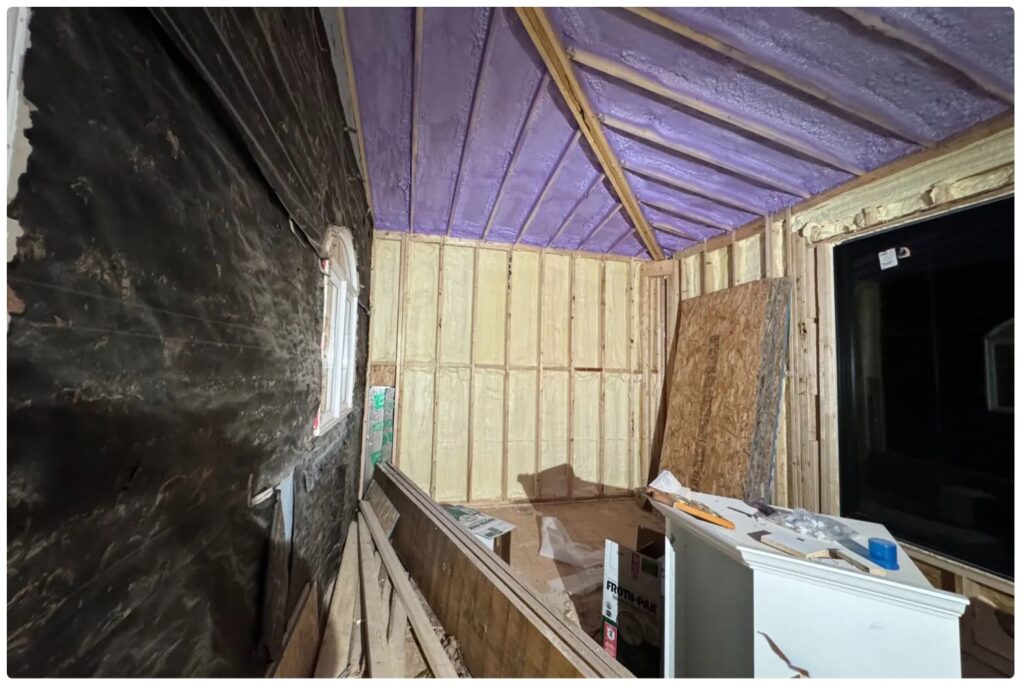
The importance of shop drawings cannot be overstated. They reflect a company’s professionalism and attention to detail. In the construction industry, fabrication errors can lead to costly rework and project delays. Quality shop drawings resolve these conflicts before the wood ever reaches the jobsite.
Shop drawings translate broad, visionary ideas into detailed realities. They streamline the installation process, ensuring a polished finished product and guaranteeing the durability of the final result. Clean, accurate millwork shop drawings prevent installation errors and eliminate those stressful late-night calls from the jobsite, making them a cornerstone of any successful renovation.
Selecting the Right Material for Longevity
As mentioned earlier, material selection is one of the most significant choices in a millwork project. High-quality materials ensure the product can withstand the test of time.
- Hardwoods: Like Mahogany, Cherry, and Walnut, these are preferred for their strength and beauty. They are ideal for high-end cabinetry and decorative paneling.
- Softwoods: Like Pine or Cedar, these can be used for a more rustic look or in areas where cost-efficiency is a priority.
- Composite Materials: MDF (Medium Density Fiberboard) or plywood with high-quality veneers are often used for the interiors of cabinets to provide stability and prevent warping.
The selection depends on the project’s specific requirements, including the desired aesthetic appeal, the budget, and the level of durability needed.
Hybrid options like veneer over MDF combine beauty with stability—perfect for humid environments.
Working with a Professional Millwork Shop
Success in custom millwork is a result of collaboration. Working with an experienced millwork shop involves partnering with professionals who guide you in selecting the best options for each area of your building.
An established millwork company provides expert advice on design options and material functionality. They have the machinery and the skilled labor to create complex pieces like custom staircases and intricate wall paneling. However, the most critical element of this partnership is communication. Ensuring that the final product meets the client’s expectations requires constant collaboration between the designer, the shop, and the contractor. At artsmillwork, we prioritize this transparency to ensure that the vision we see on paper is exactly what is delivered to your door.
At Artsmillwork Commercial Services, we handle everything from initial consultation to installation.
Commercial Millwork and Custom Cabinetry Applications
Commercial Millwork
Commercial millwork involves custom woodwork for businesses, covering everything from the doors and windows to the moldings and countertops. It is custom-made to meet unique project needs and design specifications. Whether it is a welcoming reception desk in a healthcare environment or specialized shelving in a high-end retail shop, custom millwork enhances functionality and creates a professional atmosphere.
Custom Cabinetry
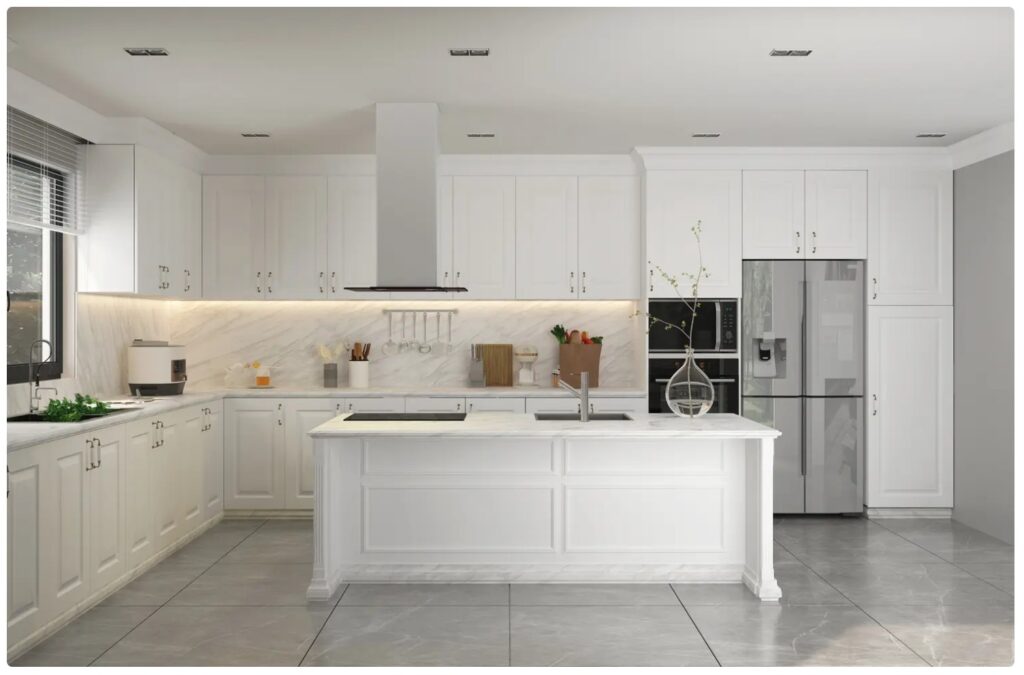
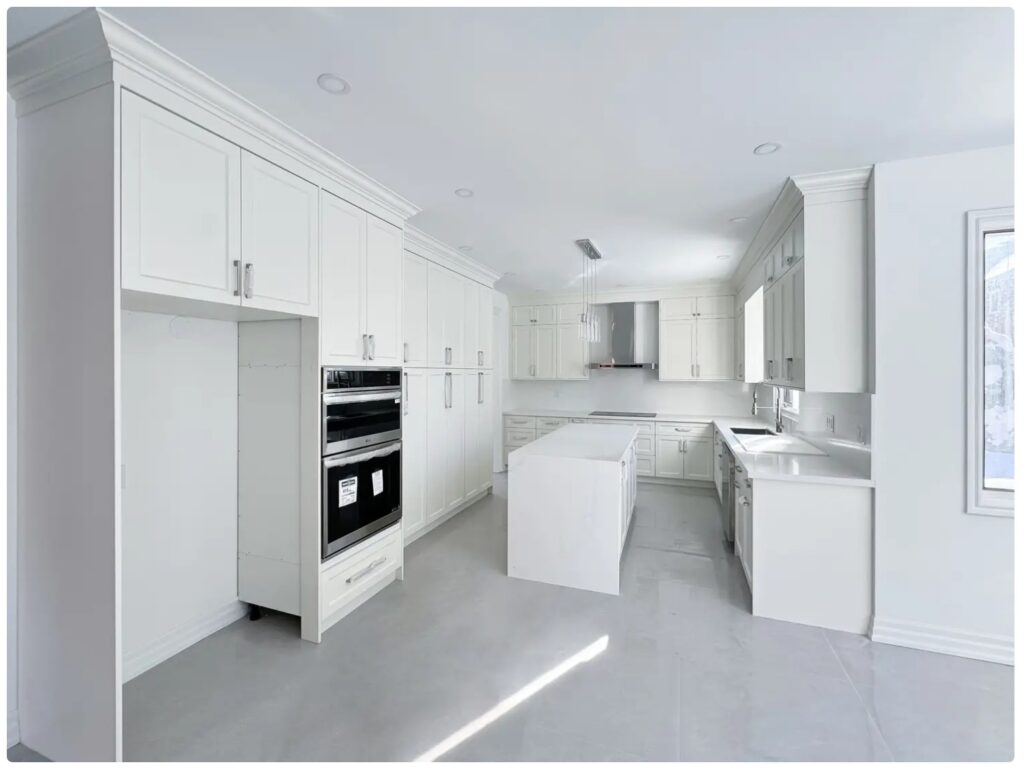
Custom cabinetry is perhaps the most popular application of millwork. Options range from modern and sleek to traditional and ornate. These are not just boxes for storage; they are personalized design elements. Custom cabinets can be designed for kitchens, bathrooms, and home offices, utilizing solid wood, high-quality hardware, and decorative elements to create a truly unique and functional space.
From home offices to hospitality venues, custom millwork adapts to any need. Browse our Artsmillwork Custom Cabinetry Projects.
Conclusion: Investing in Quality
Starting a millwork project can feel daunting, but with the right knowledge and the right partner, it is a rewarding journey. By focusing on quality materials, technical precision through shop drawings, and specialized design, you can transform any space into a work of art.
Custom millwork is an investment in your property’s value and your daily quality of life. It improves the taste and feel of a home, protects your infrastructure through high-quality materials, and offers a level of sustainability that disposable furniture can never provide.
Are you ready to elevate your next project with the precision of custom architectural millwork? Visit artsmillwork to see how we turn vision into reality with expert craftsmanship and dedicated service. Whether it is a complex commercial build or a luxury residential renovation, our team is here to ensure your millwork is a long-lasting masterpiece.
Custom millwork not only elevates aesthetics but increases property value by 10-20% in luxury markets.
Frequently Asked Questions About Custom Millwork
What is the difference between millwork and casework?
Millwork is built-in and architectural; casework is freestanding furniture.
How long does a custom millwork project take?
Typically 8-16 weeks, depending on complexity—from design to installation.
What are the latest custom millwork trends in 2025?
Sustainable materials, dark woods, integrated tech, and minimalist textures.
Why are shop drawings important in millwork?
They prevent errors, ensure precision, and streamline fabrication/installation.
How much does custom millwork cost?
Varies by materials and scope—contact Artsmillwork Quote Request for a free estimate.