
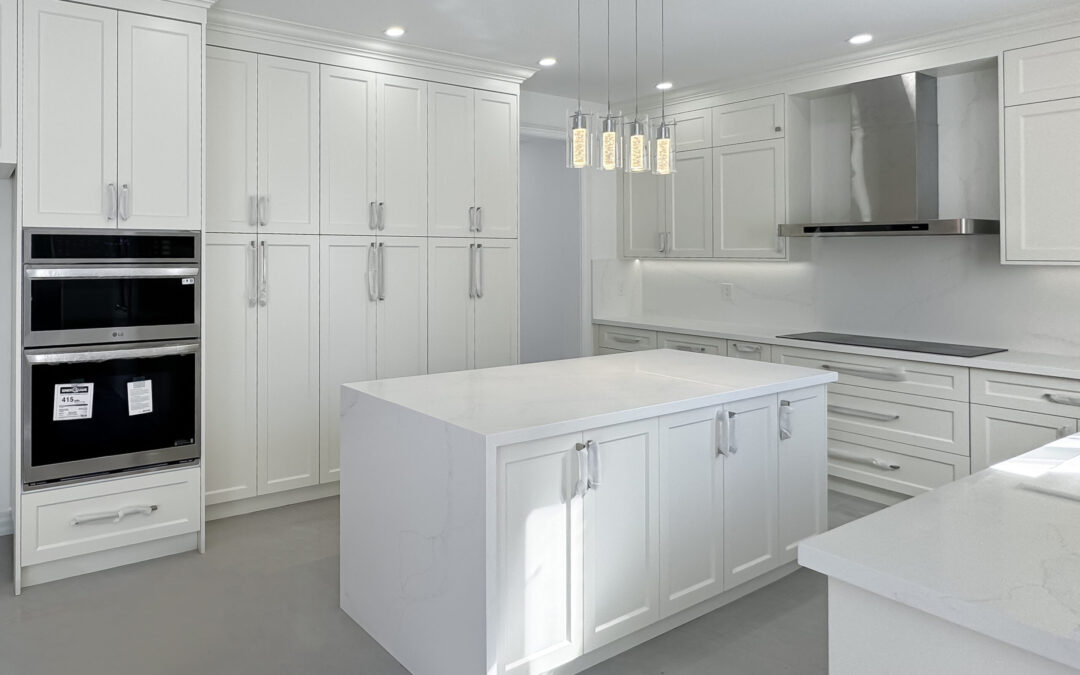
Remodeling a kitchen is one of the most significant investments you can make in your home. It promises a fresh aesthetic, increased property value, and a better daily cooking experience. However, at Arts Millwork, we’ve seen how easily a dream project can turn into a logistical nightmare due to poor planning.
The goal of this article is to help homeowners navigate the complexities of kitchen design by highlighting five actionable mistakes that often derail a renovation. By avoiding these pitfalls, you can ensure your new kitchen isn’t just beautiful, but also highly functional and durable.
Common Kitchen Remodeling Mistakes Overview
In this guide, we will dive deep into the following five critical areas:
- Poor Kitchen Layout and Workflow
- Insufficient Countertop Space
- Misusing or Oversizing the Kitchen Island
- Inadequate Lighting Layers
- Poor Cabinetry Selection and Positioning
Understanding these mistakes is about more than just aesthetics; it is about saving time and money. Changing a cabinet layout or moving a gas line after the backsplash is installed is exponentially more expensive than catching the error on paper. A well-planned kitchen minimizes construction delays and prevents the “I wish we had done that differently” regret that haunts many DIY or poorly managed remodels.
Poor Kitchen Layout That Limits functionality
The layout is the “skeleton” of your kitchen. If the skeleton is crooked, no amount of high-end marble or gold hardware will make the kitchen feel right. A functional kitchen relies on the relationship between your primary work centers: the sink, the stove, and the refrigerator.
Examples of Dysfunctional Layouts:
- The Obstacle Course: Placing a kitchen island directly between the fridge and the stove, forcing you to walk around it every time you grab an egg.
- The Tight Squeeze: Placing the dishwasher in a corner where, when open, it blocks the drawer containing the silverware.
- The Long Haul: Placing the pantry in a separate mudroom far from the primary prep area.
Recommendation: Always prioritize workflow over finishes. It is tempting to pick out tile first, but you should spend 80% of your planning phase on the floor plan. A beautiful kitchen that is hard to cook in is a failed design.
Ensure Enough Space for Workflow
Space is the ultimate luxury in a kitchen. Even in small kitchens, the clearance between surfaces determines how the room feels when more than one person is in it.
- The 40-Inch Rule: We recommend a minimum of 40 to 42 inches between work runs (the space between the island and the perimeter cabinets). If you have a two-cook household, aim for 48 inches. Anything less than 36 inches will feel cramped and prevent two people from passing each other comfortably.
- The Work Triangle: Ensure the distance between your sink, stove, and fridge totals between 12 and 26 feet. If the triangle is too small, you’ll feel trapped; too large, and cooking becomes an exhausting workout.
Pro Tip: Before you commit to a layout, test it with paper mockups. Use painter’s tape or cardboard boxes on your floor to represent the new island or cabinet runs. Walk through the space. “Open” the imaginary dishwasher. If you find yourself bumping into things, adjust the plan now.
Not Factoring In Countertop Space
One of the most frequent complaints we hear from homeowners after a remodel is that they don’t have enough room to actually prepare food.
Inventory Your Prep Tasks:Before choosing your stone, inventory what you do daily. Do you bake? Do you chop a lot of vegetables? Do you have a coffee station? Many people make the mistake of filling their counters with small appliances (toasters, blenders, air fryers), leaving no room for a cutting board.
Plan Prep and Cleanup Zones:
- The Prep Zone: You need at least 36 inches of uninterrupted counter space, ideally located between the sink and the stove.
- The Landing Zone: Ensure there is at least 12–15 inches of counter space on both sides of the stove and refrigerator to “land” hot pans or grocery bags.
- Appliance Garage: To keep your kitchen looking like an Arts Millwork showroom, reserve specific areas or “garages” for daily appliances so they don’t eat up your prep space.
Misusing the Kitchen Island
The kitchen island is the “must-have” item of the decade, but it isn’t always the right choice.
When to Avoid an Island:If your kitchen width is less than 13 feet, a permanent island will likely make the space feel congested. If installing an island leaves you with less than 36 inches of clearance on any side, it becomes a hindrance rather than a help.
Sizing and Placement:
- Clearances: Maintain 38 to 48 inches of clearance on all sides. This ensures that even when someone is sitting at the island, others can walk behind them.
- Protect the Triangle: Never place an island where it interrupts the direct path between the sink and the stove.
- Small Kitchen Alternatives: If a full island doesn’t fit, consider a narrow butcher-block cart on wheels or a “peninsula” layout, which offers the extra counter space without the 360-degree clearance requirement.
Poor Ambient Lighting and Task Placement
Lighting is often an afterthought, but it is the difference between a kitchen that feels “clinical” and one that feels “designer.”
Layer Your Lighting:You cannot rely on a single decorative chandelier or a few random pot lights. You need three layers:
- Ambient Lighting: General overhead lighting (recessed cans) to illuminate the whole room.
- Task Lighting: Focused light where you are working—specifically undercabinet lighting. This eliminates the shadows cast by your own body when you stand at the counter.
- Accent Lighting: Pendant lights over the island or “puck” lights inside glass-front cabinets.
Placement Strategy:Place task lights slightly in front of the work area rather than directly over your head to avoid casting shadows on your hands. We also recommend putting each layer on separate circuits with dimmer switches, allowing you to transition from “bright cooking mode” to “soft dinner mode.”
Choosing Cabinetry Poorly and Mispositioning Doors
Cabinets are the most expensive part of your remodel. Choosing “trendy” over “durable” is a mistake that shows within three years.
Fit Function Over Trend:
- Longevity: Prioritize high-quality finishes and timeless door styles (like Shaker or Slab) that won’t look dated by next year.
- The Ceiling Rule: Whenever possible, take your upper cabinets all the way to the ceiling. This eliminates the “dust shelf” on top and provides extra storage for seasonal items.
The “Swing” Conflict:One of the most common technical errors is failing to account for door swings.
- Will the cabinet door hit the fridge handle when opened?
- Does the oven door clear the drawer pulls on the adjacent cabinet?
- Measure twice: Ensure that your hardware (handles and knobs) is factored into your clearance measurements.
Common Kitchen Design Mistakes To Avoid
To summarize the “repeat offenders” we see in the industry:
- Poor Clearance: Not leaving enough room for the “dance” of the kitchen.
- Bad Storage: Using too many lower cabinets instead of deep drawers (drawers are much more ergonomic for heavy pots and pans).
- Inadequate Ventilation: Buying a high-end range but a cheap, noisy hood that doesn’t actually move air.
For complex remodels, we highly recommend hiring a professional designer or working closely with a specialized firm like Arts Millwork. A professional can spot a “swing conflict” or a “layout bottleneck” on a blueprint long before it becomes a permanent mistake in your home.
From These Mistakes To Your Dream Kitchen
At Arts Millwork, we believe the best kitchen is one that works for you, not against you. Before you pick up a sledgehammer or sign a contract, follow this final checklist:
- Walk the Mockup: Use tape on the floor to verify clearances.
- Audit Your Storage: Map out exactly where your spices, pots, and Tupperware will live.
- Check Appliance Specs: Ensure your chosen appliances fit the cabinet openings with room for ventilation.
- Final Layout Review: Does the “Work Triangle” feel natural?
A kitchen remodel is a marathon, not a sprint. By focusing on workflow, lighting, and cabinetry quality, you will create a space that stands the test of time.
Ready to start your kitchen transformation with precision and expertise? Visit us at Arts Millwork to explore our custom cabinetry solutions and design services. Let’s build your dream kitchen correctly—the first time.